Sunday, 7 April 2013

P2g Threats to Earth

You need to be able to:
  • Explain how collisions can result in an Earth-Moon system, or in an asteroid belt
  • Explain comets (structure, origin, orbit, speed)
  • Discuss NEO's (what they are, how they may be seen, difficulties in observations, how trajectories are calculated, actions to reduce the threat)
  1. Reading, exercises, flash cards and quizzes on comets
  2. NASA's NEO project website
  3. P2g notes from Bitesize
 

Saturday, 6 April 2013

P2f Exploring Our Solar System

You need to be able to:

  • Describe the structure of the universe and explain how planets stay in orbit
  • Explain what a light year is and why we use it
  • Compare and contrast manned and unmanned spacecraft (resources required, difficulties, how information is got back to Earth, advantages and disadvantages)
  1. Notes from BBC Bitesize (5 pages)
  2. Scale of the Universe interactive - needs flash
  3. Light year notes and questions
  4.   

Friday, 5 April 2013

P2e Nuclear Radiations

You need to be able to:
  • Explain how nuclear power works and the pros and cons associated with it (uranium source, fission, chain reaction, generator, waste and its issues)
  • Describe the properties of three types of ionising radiation (alpha, beta, gamma)
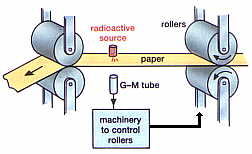
  • Explain uses of each type of ionising radiation (link the use to the type of radiation used)
  1. How nuclear power works
  2.  
  3. Overview of Nuclear Power with Advantages and Disadvantages
  4. Nuclear power plant simulator
  5. Opinion poll taken just after the Fukushima nuclear power plant accident
  6.  

  7. Comparison table: different energy sources
  8. ABG diagram
  9. Uses of ionising radiation - alpha radiation in smoke detectors
  10. Uses of Radiation - beta radiation in thickness control
  11. Uses of radiation - gamma rays in sterilisation
  12. Radioactivity notes

Thursday, 4 April 2013

P2d Fuels for Power

You need to be able to:

  • Use the power equation for calculating quantities in several units (power in W or kW, voltage in V, current in A)
  • Calculate the cost of electricity converting units where required (power in W or kW, time in minutes or h, energy transferred in kWh, cost in pence per kWh)
  • Describe advantages and disadvantages of using off-peak electricity, and of using transformers
  1. Bitesize notes on P2d
  2. American interactive calculator for electricity costs
  3. Interactive calculator for power  

Wednesday, 3 April 2013

P2c Global Warming

You need to be able to:
  • Explain the greenhouse effect, and the ways humans are possibly accelerating this effect to produce global warming
  • Describe evidence for, evidence against and opinions on global warming
  • Explain the difficulties in measuring global warming and why scientists may disagree on its causes
  1. Greenhouse Effect
  2. NASA video - trends in global temperature
  3.  Home Sweet Home - a claymation video showing causes and possible solutions to global warming
  4. Lots of charts and graphs linked with global warming


Tuesday, 2 April 2013

P2b Generating Electricity

You need to be able to:
  • Explain how AC and DC can be produced on a small scale (dynamo effect, generators, voltage-time graphs, batteries)
  • Explain how electricity is produced and distributed
  • Use the energy efficiency calculation to calculate efficiency, useful energy output, total energy input or wasted energy
  1. Generating electricity notes

Monday, 1 April 2013

P2a Collecting Energy from the Sun

You need to be able to:

  • Explain how photocells work (their properties, how light produces electricity, factors affecting the direct current and power produced, advantages and disadvantages)
  • Describe the advantages and disadvantages of wind turbines
  • Explain how efficient passive solar heating works
  1. Bitesize notes on solar energy
  2. BBC Bitesize notes on wind power